Key takeaways
TL;DR- The dental implant surgeon will evaluate the condition of your mouth, including the location of the missing tooth, the condition of the bone, and the condition of the tissue surrounding the tooth.
- It is recommended that when you meet with the dentist, you can inquire about the implant options available to the dentist and understand the differences between different implants.
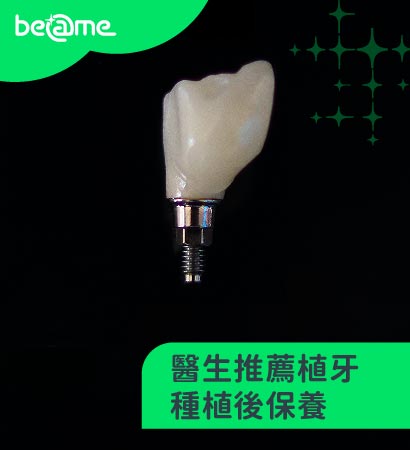
- In dental implant surgery, common implant materials include titanium alloy (Titanium Alloy), titanium zirconium (Zirconia), and acid anhydride ceramic (Hydroxyapatite Ceramic).
Missing teeth due to old age or a fall? The dental implant solution recommended by dental implant doctors can restore straight teeth in as fast as 2 weeks! Before starting dental implants, you must first have a preliminary understanding of dental implants. Dental implants depend not only on your dentist, but also on the implants you choose. be@me will explain to you the key points of dental implants and let you choose the most suitable dental implant plan.
Book an appointment for dental implant treatment
What will the dental implant surgeon do for you?
The dental implant surgeon will evaluate the condition of your mouth, including the location of the missing tooth, the condition of the bone, and the condition of the tissue surrounding the tooth. They may use X-rays or other imaging tests to further evaluate the viability of a dental implant. If there is insufficient bone, bone meal augmentation is required. Nowadays, dentists can use 3D scanning technology to directly and comprehensively understand the patient’s dental condition. In addition to the placement of implants, the shape of the crown can be easily designed.
It is recommended that when you meet with the dentist, you can inquire about the implant options available to the dentist and understand the differences between different implants.
Which implant is best to use?
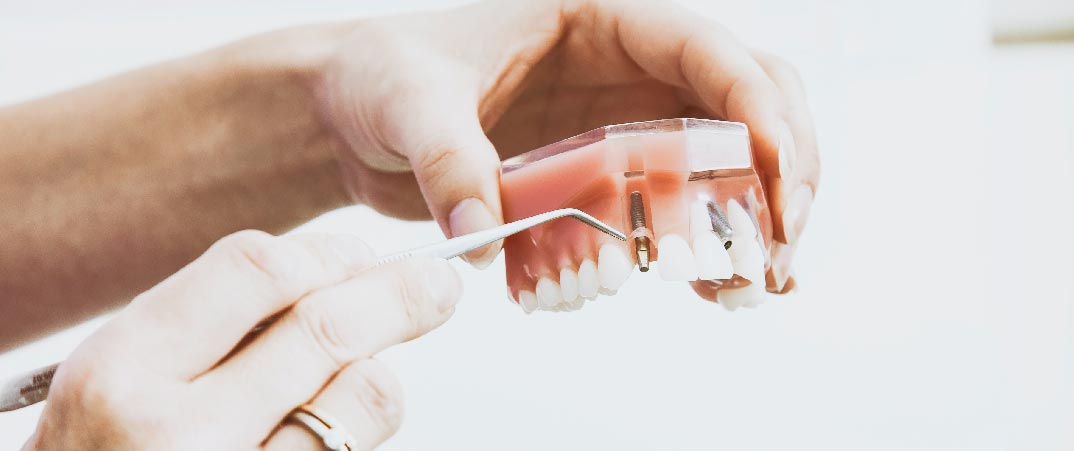
In dental implant surgery, common implant materials include titanium alloy (Titanium Alloy), titanium zirconium (Zirconia), and acid anhydride ceramic (Hydroxyapatite Ceramic). Of these materials, titanium implants are the most commonly used and widely accepted choice. It has been extensively studied and has a long and successful clinical record. Dental implant doctors will be more experienced in installing titanium alloy implants, which is suitable for dental implant patients who want more security.
Titanium alloy
It is one of the most commonly used implant materials. It has good biocompatibility, is not likely to cause allergic reactions, and has strong bonding with bone, which contributes to the stability and success rate of implants. Titanium implants also have excellent corrosion and wear resistance and are relatively lightweight.
Titanium zirconium
It is a ceramic material that has attracted more and more attention in the field of dental implants in recent years. It has excellent biocompatibility and natural beauty, and can provide good tissue accommodation. Titanium zirconium implants are often used in special cases, such as metal allergies or higher aesthetic requirements.
Acid anhydride ceramics
It is a bionic material with similar composition and properties to bone tissue. It has good biocompatibility and helps promote bone bonding. Anhydride ceramic implants are often used to provide additional osseointegration surface to promote implant stability.
Is it worth the long wait for the government dental implant queue?

Government dental implant cohorts often face huge demands and limited resources. This results in longer waiting times in the queue as numerous patient cases need to be processed. The government dental implant queue will also set the queuing order according to certain priorities. For example, severe pain, urgent cases may be prioritized, while less severe or aesthetically demanding cases may require a longer wait. In addition, government dental implant cohorts may also be limited by factors such as budget and resources.
Waiting for the government dental implant queue may mean you have to endure the discomfort of oral problems and impact on your quality of life while you wait. This may include pain, difficulty chewing, difficulty speaking, or dissatisfaction with appearance. The most serious problem is that missing teeth will cause surrounding teeth to move. Originally, only one tooth was required to be implanted, but as a result, additional orthodontic treatment was required because the other teeth were loose.
How to avoid dental implant failure?
Implants require adequate bone volume and quality to ensure stability and success. Before dental implant surgery, your doctor will perform a bone quality assessment and take bone-enhancing measures, such as bone grafting or bone regeneration techniques, if necessary. Also make sure your oral health is good, which includes brushing and flossing regularly, managing oral disease (such as periodontal disease), and receiving other oral treatments when appropriate, such as root canals or tooth extractions.
After dental implant surgery, it is necessary to have regular follow-up examinations, avoid smoking and drinking, and maintain good oral hygiene. The most important thing is to avoid overloading the implant area, which means avoiding excessive chewing, biting down on hard objects or food that is too large, and avoiding behaviors that place too much pressure on the bite.
be@me dental implants are recommended by a team of professional doctors
be@me offers 3 types of implants from different brands to choose from, with a durability of over 20 years. The store will first provide a 3D scan to ensure you are suitable for the treatment. Performed by a dentist, dental implants can be completed in as little as one follow-up visit. Before officially starting the treatment, a dedicated person will confirm all details one-on-one, including whether additional bone powder is needed, the number of dental implants, and the final cost. There are no hidden charges.
be@me dental implant maintenance for up to 10 years
Want to enjoy your eating and drinking life after treatment? don’t worry! be@me has 10 years of post-treatment maintenance to ensure that your dental implants function optimally in your daily life.
| Price | Starting from $9,800 per pill No hidden charges |
| Material | Pure titanium implant or titanium alloy |
| Implant options | Choose a brand according to budget Korea Osstem $9,800 Switzerland ITI $15,500 Sweden nobel $21,500 |
| Durability | Up to 20 years or more |
| Post-treatment maintenance | 10 years |
Still have questions? Click the button below to directly make an appointment for Shenzhen Uppercare’s flagship outpatient examination or Hong Kong store consultation.
Book an appointment for dental implant treatment
Extended reading:
Make an appointment for dental implant treatment
[beame Discount] Money-saving Teeth Surgery Discount Guide
Reference materials:

About the author
Beame Editorial Team
Practical information on clear aligners, oral care and consultation arrangements. This article is for general information; individual treatment requires assessment by a qualified dental professional.