Key takeaways
TL;DR- If the patient does not follow good oral hygiene habits after dental implant surgery, it may cause infection of the tissue around the teeth.
- Lack of bone mass or density can be caused by a variety of reasons, such as age, genetics, lack of nutrition, long-term use of certain medications, etc.
- If placed improperly, the implant may not be securely anchored in the alveolar bone, which may cause the implant to loosen or shift, ultimately leading to implant failure.
Can dental implant failure happen? Before starting dental implants or those who have already had dental implants, it is important to understand the possible causes of dental implant failure to avoid spending a lot of money on repairing failed dental implants in the future. By changing your daily habits, you can definitely avoid dental implant failure and increase the durability of dental implants.
Make an appointment for dental implant consultation
Tissue infection around teeth
If the patient does not follow good oral hygiene habits after dental implant surgery, it may cause infection of the tissue around the teeth. Bacteria and food residues in the mouth may form bacterial plaque around the teeth, which can lead to gingivitis or periodontal disease. These diseases may cause the tissues around the teeth to become swollen, red, and painful, and may lead to infection of the tissues around the teeth, leading to dental implant failure.
Poor bone quality or density
Lack of bone mass or density can be caused by a variety of reasons, such as age, genetics, lack of nutrition, long-term use of certain medications, etc. If there is insufficient bone quality or density, the implant will not stay firmly anchored in the bone tissue. Therefore, before performing dental implant surgery, the dentist will usually conduct an evaluation of the oral cavity and bone tissue to determine whether the patient's bone density and bone quality are sufficient to support the implant. Your dentist may use bone meal to increase bone mass and density. This provides adequate support for the implant, increasing the chance of a successful dental implant.
Improper implant position
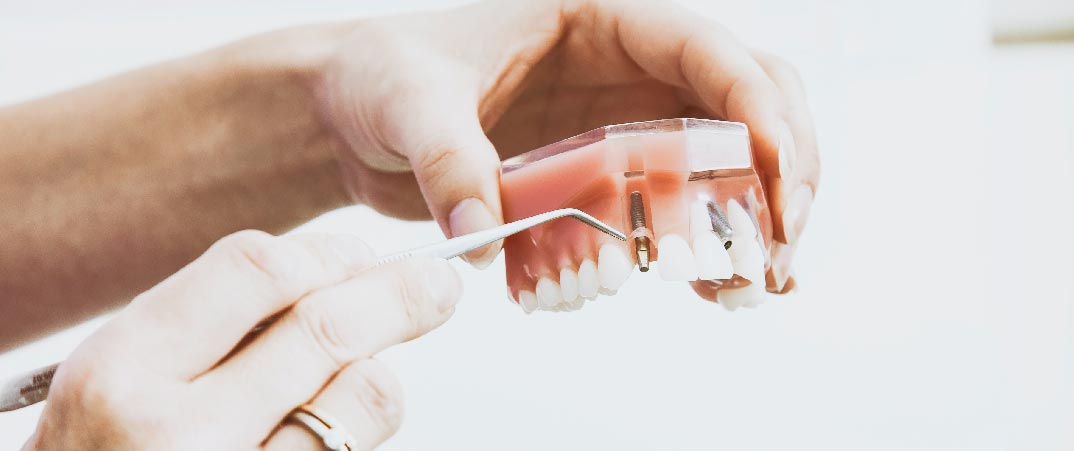
If placed improperly, the implant may not be securely anchored in the alveolar bone, which may cause the implant to loosen or shift, ultimately leading to implant failure. At the same time, it may also damage surrounding tissues, such as alveolar bone, gums, nerves, etc., causing infection and pain.
Tooth stress is too great
When the implant is overloaded, it may cause damage to the implant and surrounding tissue, leading to dental implant failure. Excessive stress on the teeth may be caused by uneven bite, tooth wear, or wrong implant angle. Several reasons are due to the extra pressure placed on the implant and its inability to withstand the correct biting force, which in turn causes dental implant failure.
Implant material is not suitable

Different implant materials have different characteristics and indications. If the selected implant material is not suitable for a specific patient or a specific dental implant situation, it may lead to dental implant failure. Some patients may be allergic to certain implant materials (such as metal, plastic), which may cause oral discomfort, pain and other reactions. Certain implant materials may also cause adverse reactions in surrounding tissues, such as inflammation, infection, etc., which may lead to dental implant failure.
How to extend the life of dental implants
Patients should pay attention to oral hygiene, conduct regular examinations, avoid biting hard objects, eat properly, avoid smoking and drinking, etc. At the same time, they need to closely cooperate with the dentist's treatment plan and conduct regular examinations and maintenance to protect the health and lifespan of dental implants. The following points list some simple and feasible methods:
- Pay attention to chewing posture: avoid excessive pressure on dental implants
- Proper diet: maintain a balanced, nutritious diet and avoid excessive sugar and acidic diets
- Avoid smoking and drinking: Smoking and drinking can have a negative impact on oral health and increase the risk of dental implant failure, so they should be avoided as much as possible
- Avoid biting hard objects: Avoid biting hard objects, such as ice cubes, nuts, etc., to reduce the risk of pressure and damage to dental implants
- Regular check-ups: Regular check-ups at the dental clinic can detect and deal with oral problems early, such as cracks, wear, infection, etc.
- Good oral hygiene: Good oral hygiene is the key to extending the life of dental implants. Brushing your teeth, using dental floss, and rinsing your mouth every day can effectively remove bacteria and food residues in the oral cavity and reduce the occurrence of oral diseases and periodontitis
Beame new technology minimally invasive dental implants reduce risks
Minimally invasive dental implant is a dental implant surgery that is smaller and lighter than traditional dental implant surgery. Because the minimally invasive dental implant surgery has smaller wounds, the surgical procedure is more precise and safer, adverse reactions such as bleeding and pain are reduced, and the risk to the patient is also reduced. Patients typically recover more quickly and can return to their normal lives and work more quickly.
Have questions about dental implants? Make an appointment for Beame store consultation

Haven’t started dental implants yet or want to have them repaired? The Beame team provides you with professional advice! Click the button below to make an appointment for a 30-minute consultation session. Even if you do not participate in the treatment afterwards, no fee will be charged for the consultation.
Make an appointment for dental implant consultation
Extended reading:
Make an appointment for dental implant consultation (20 places per store per day)
Reference materials:

About the author
Beame Editorial Team
Practical information on clear aligners, oral care and consultation arrangements. This article is for general information; individual treatment requires assessment by a qualified dental professional.