
Key takeaways
TL;DR- Every time I change the clear aligners, I feel pain for several days and I feel uncomfortable even when I eat.
- Make an appointment for in-store orthodontic treatment consultation
- Whether it is invisible, metal, lingual or ceramic braces, everyone who has worn braces will have the same feedback: in the days after the follow-up visit/new braces, the teeth were very soft and it was very uncomfortable to eat.
Every time I change the clear aligners, I feel pain for several days and I feel uncomfortable even when I eat. Why is this? When you get new braces, you need a period of time to get used to the new oral environment and the feel of the braces. This is called the adaptation period. The length of the adjustment period varies from person to person, but usually ranges from a few days to a few weeks after getting new braces. Next, I will explain to you the causes of pain every time you change your braces. be@me will also recommend ways to reduce the pain.
Make an appointment for in-store orthodontic treatment consultation
Toothache caused by pressure from braces
Whether it is invisible, metal, lingual or ceramic braces, everyone who has worn braces will have the same feedback: in the days after the follow-up visit/new braces, the teeth were very soft and it was very uncomfortable to eat. In fact, this is a very normal phenomenon. When the teeth are moving to the right position, the roots of the teeth will naturally move, so it is normal to feel some soreness and softness in the past few days. You will feel this in the first few days after wearing new clear aligners because the teeth are adapting to the new positioning of the braces.
Simply put, this pain comes from the pressure that braces put on your teeth. Because every time you use new braces, it will bring new pressure and move the teeth straight. Compared with metal braces, clear aligners are very painful, and you don’t have to suffer the pain of metal grinding your mouth. Being able to feel the pain means that the teeth are moving towards the target position, which is also a joyful thing.
Dental braces cause pressure on the gum soft tissue
Some components of braces may come into contact with the soft tissues of the mouth, such as the oral mucosa or tongue. This may cause mild discomfort or ulceration. If you feel unwell, you can use an ointment or mouthwash to relieve symptoms. If the problem persists, you should contact your dentist to see if your braces need to be adjusted.
How to reduce pain by replacing braces
Cold compress outside the mouth
For the first few days after getting new braces, you can gently apply a cold compress to the outside of your mouth to reduce pain and swelling. You can use a cold compress such as an ice pack, a cold washcloth, or a cooled vegetable pack. If you use an ice pack, place some ice cubes in a plastic bag and wrap it in a towel to avoid direct contact with your skin. Keep the cold compress on the affected area for about 15 to 20 minutes. This is enough time for the cold compress to work without overcooling it. You can repeat the cold compress every few hours until the pain subsides.
Avoid hard or sticky foods
Avoid chewing hard foods, such as nuts or hard candies, and sticky foods, such as chewing gum or sticky candies, while you are getting new braces. These foods may increase the pressure that braces put on your teeth and soft tissues. Choosing softer foods can reduce stress on braces and teeth. For example, choose softer foods such as cooked vegetables, soft fruits, fish, rice, and soups. You can also cut the food into small pieces or grate it to reduce the burden of chewing. This can make food easier to chew and digest while reducing pressure on the braces.
Avoid overbite
Overbite may increase the pressure of braces on the teeth, causing pain. Try to avoid overbiting or incorrect eating habits. When eating, chew food slowly and do not rush or chew too quickly. Give yourself enough time to chew your food into smaller pieces to reduce the burden of chewing. Be careful when chewing and avoid biting the food with too much force. Try to keep your teeth in light contact when chewing and avoid overbiting.
There must be an adaptation period when replacing braces
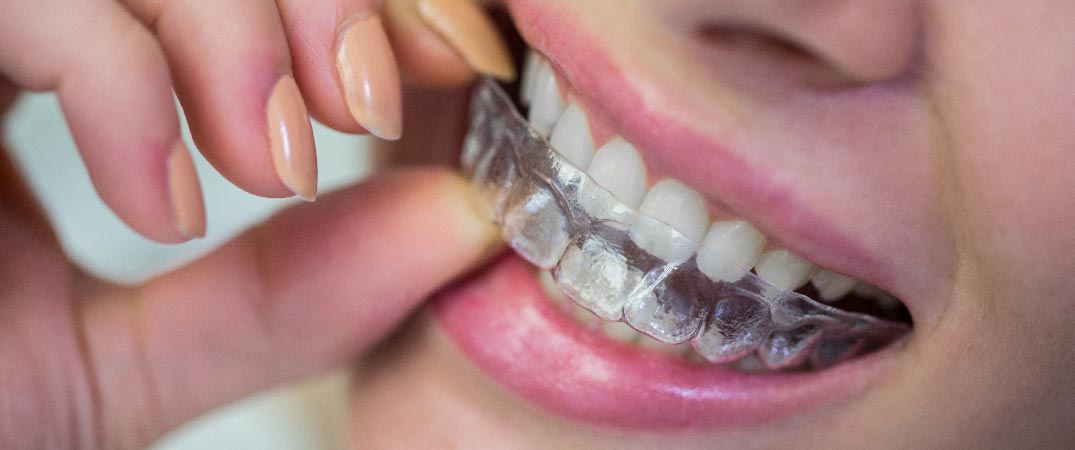
You may experience some discomfort during the first few days after getting your new braces. This may include a feeling of pressure in the oral tissues, mild pain in the gums, difficulty or discomfort chewing, difficulty speaking, etc. These discomforts are usually temporary and will lessen over time.
Due to braces, you may need to adjust the way you chew to avoid putting too much pressure on the braces. Likewise, your tongue and oral tissues need to adjust to the presence of braces in order to speak normally. Practice proper chewing and speaking techniques, and give yourself some time to familiarize yourself with the new sensations.
Make an appointment at be@me store for consultation
Have questions about orthodontic treatment? be@me team will answer your questions 1 to 1! Even if you are in the middle of orthodontic treatment, we will still provide you with the most professional advice! Click the button below to make an appointment for consultation at the nearest store.
Make an appointment for in-store orthodontic treatment consultation
Extended reading:
Reserve a free orthodontic treatment consultation (20 places per store per day)
Reference materials:

About the author
Beame Editorial Team
Practical information on clear aligners, oral care and consultation arrangements. This article is for general information; individual treatment requires assessment by a qualified dental professional.