Key takeaways
TL;DR- Regret after applying porcelain dental veneers?
- Make an appointment for whitening dental veneers consultation
- Unnatural color of the veneer is a common problem.
Regret after applying porcelain dental veneers? Worried about the side effects of dental veneers? You may have heard of many cases where porcelain dental veneers were improperly installed and regretted the placement of dental veneers. Pay attention to the following 5 common sequelae of dental veneers to avoid dissatisfaction after dental veneers surgery.
Make an appointment for whitening dental veneers consultation
#1 The color of the patch is unnatural
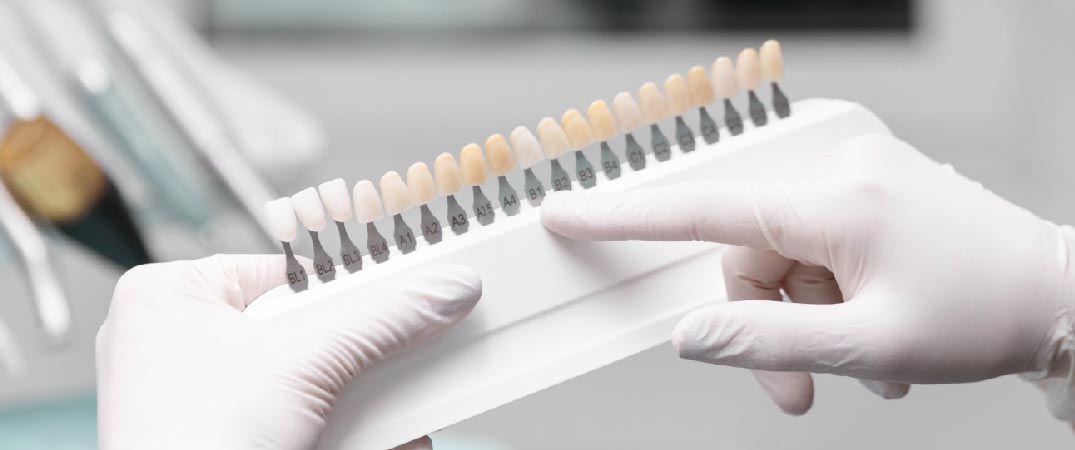
Unnatural color of the veneer is a common problem. If the material used for the veneer is inappropriate, or the color of the veneer fails to match the surrounding teeth, it may lead to an unnatural appearance of the teeth.
Unnaturally colored veneers may appear overly brighter or off-color than the surrounding teeth, which may make the overall appearance of your mouth look uncoordinated. Additionally, if the veneer is not evenly colored, spots or other uneven surfaces may appear on the surface of the tooth.
#2 Porcelain dental veneers are broken or broken
This may be due to the veneer not being properly adhered to the tooth surface, or intense force being applied to the tooth surface to which the veneer is attached. This condition may be caused by chewing something hard in your mouth or falling. It may cause tooth sensitivity or discomfort, and may also affect the appearance of the tooth.
#3 The edges of porcelain dental veneers do not fit well
The edge of the porcelain dental veneers does not fit properly is another possible problem. When the dentist does not fully fit the veneer to the tooth surface during the veneer installation process, or the veneer is placed in an inappropriate position, it may cause the problem of the edge of the porcelain dental veneers not fitting properly.
Irregular edges of porcelain dental veneers may cause tooth sensitivity, loss or discomfort, and may also affect the appearance of the teeth. If the edge does not fit snugly, a gap may form between the veneer and the tooth surface, which may allow food and bacteria to accumulate in the gap and lead to tooth decay or other oral problems.
#4 protruding teeth
Protruding teeth means that after the veneer is installed, the gap between the veneer and the teeth is too large, and part of the teeth is exposed, making it very abrupt. This can happen if the veneer is not fully attached to the tooth surface after the veneer is installed, or if the shape and size of the veneer does not fit the patient's teeth.
If the problem of protruding teeth is not resolved in time, it may cause tooth sensitivity and discomfort, and may affect the patient's appearance and self-confidence. In addition, protruding teeth may make patients feel uncomfortable and distressed, and may affect their normal lives.
#5 Natural tooth decay
When a person wears porcelain dental veneers, it is still possible for them to develop tooth decay. The first is poor oral hygiene habits. If patients do not maintain good oral hygiene habits after applying porcelain dental veneers, bacteria and food debris in the mouth may accumulate around the veneers, causing tooth decay.
The second is malformed teeth. If the patient's teeth are misshapen or protruding, the veneers may not fit completely onto the tooth surface, creating gaps where bacteria and food particles can accumulate, causing tooth decay.
The other is improper bite. If a patient's bite is incorrect or the bite pressure is too high, it can cause pressure and friction on the teeth around the veneer, causing cavities.
Finally, eating habits. Certain foods and drinks can cause damage to your teeth, such as sugary drinks, carbonated drinks, sweets, and sticky foods. If patients continue to eat these foods after porcelain dental veneers are applied, bacteria and food particles may accumulate around the veneers, causing tooth decay.
Avoid the sequelae of dental veneers

Most of the sequelae of dental veneers are caused by improper installation of dental veneers, such as the veneers are too thick and do not grind the teeth, the color is wrongly selected, the position of the veneers and the teeth is wrong, etc. If the veneer is still on the tooth, your doctor may need to make adjustments to ensure that the veneer is fully attached to the tooth surface. If the veneer has fallen off, your doctor may need to reapply it and check the tooth for other damage.
Patients should avoid habitually biting or biting hard objects with the patch as the center. This can reduce the pressure and friction around the patch and reduce the risk of the patch falling off or breaking. At the same time, maintain good oral hygiene habits, including regular brushing, flossing, and mouthwash, to reduce bacteria and food residue in the mouth. This reduces the buildup of bacteria and food debris around the teeth, reducing the risk of cavities and other oral diseases.
Pre-film evaluation of dental veneers

To avoid sequelae after patch installation, evaluation and consultation must be done before starting. Beame stores provide online appointment consultation services, where the team can answer questions face-to-face before starting beautiful teeth treatment and paying any fees.
Make an appointment for whitening dental veneers consultation
Extended reading:
Make an appointment for whitening dental veneers consultation (20 places per store per day)
Reference materials:

About the author
Beame Editorial Team
Practical information on clear aligners, oral care and consultation arrangements. This article is for general information; individual treatment requires assessment by a qualified dental professional.