Key takeaways
TL;DR- In fact, besides smoking and drinking coffee, there are many factors that cause teeth to turn yellow!
- Many people choose to use teeth whitening products at home, but they still have no effect after using them.
- The so-called "teeth bleaching" does not really whiten teeth like bleach.
There are tricks to prevent yellowing teeth
In fact, besides smoking and drinking coffee, there are many factors that cause teeth to turn yellow! Whether it's genetics, age, or even excessive use of fluoride toothpaste, it can also affect the whiteness of your teeth.
Many people choose to use teeth whitening products at home, but they still have no effect after using them. However, the "blue light whitening" that has become popular in recent years can actually whiten teeth with just a light exposure of blue light? Beame tells you the principles and side effects of blue light teeth bleaching, so that you can rest assured that your teeth will be whiter!
Blue light (cold light) tooth whitening principle
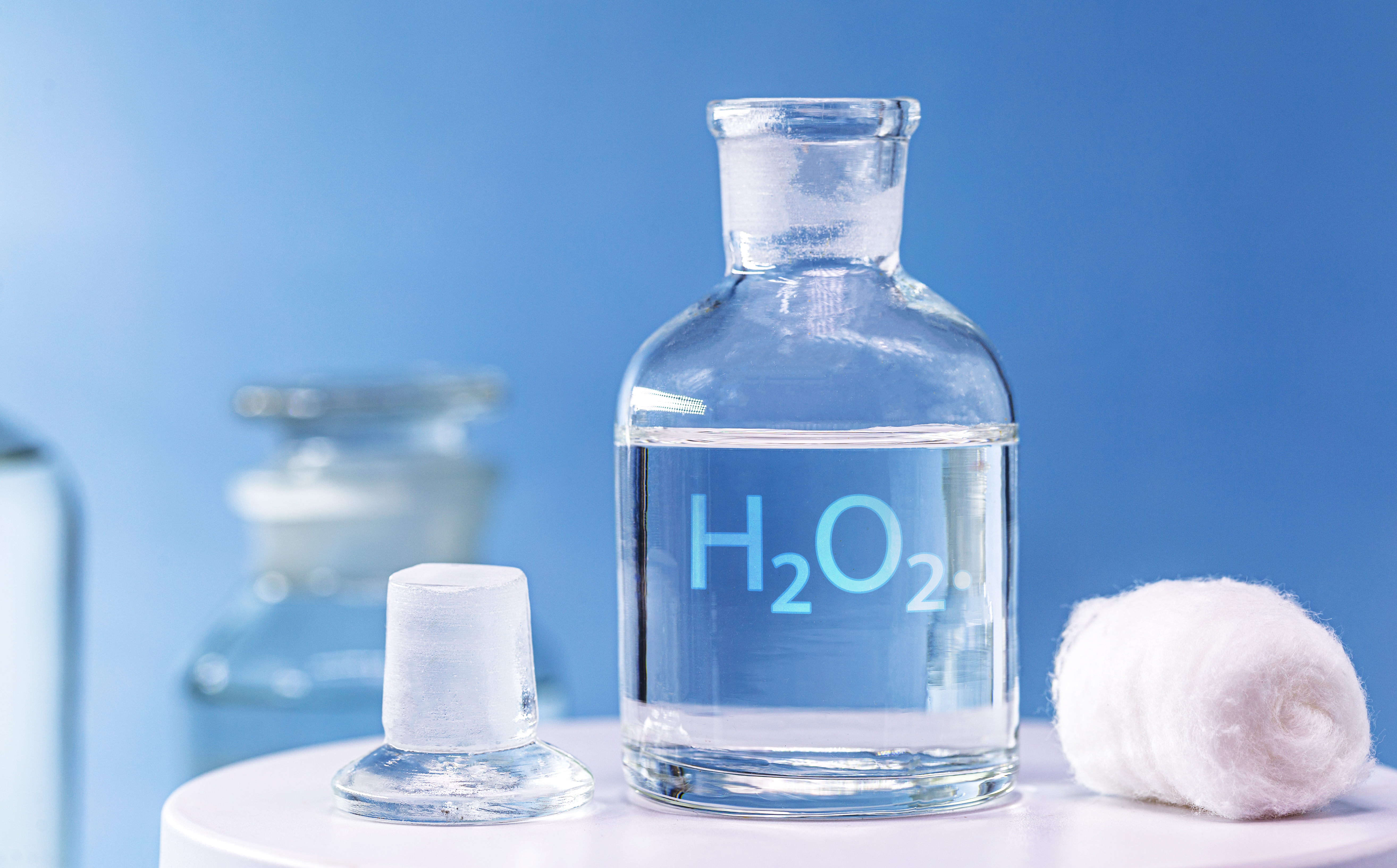
Disassembly of whitening ingredients: hydrogen peroxide
The so-called "teeth bleaching" does not really whiten teeth like bleach.
Most teeth whitening products on the market contain hydrogen peroxide. By accelerating the oxidation of hydrogen peroxide through blue light teeth bleaching, the effect of "whitening" teeth can be achieved in just one hour, which is faster than daily oral whitening care products.
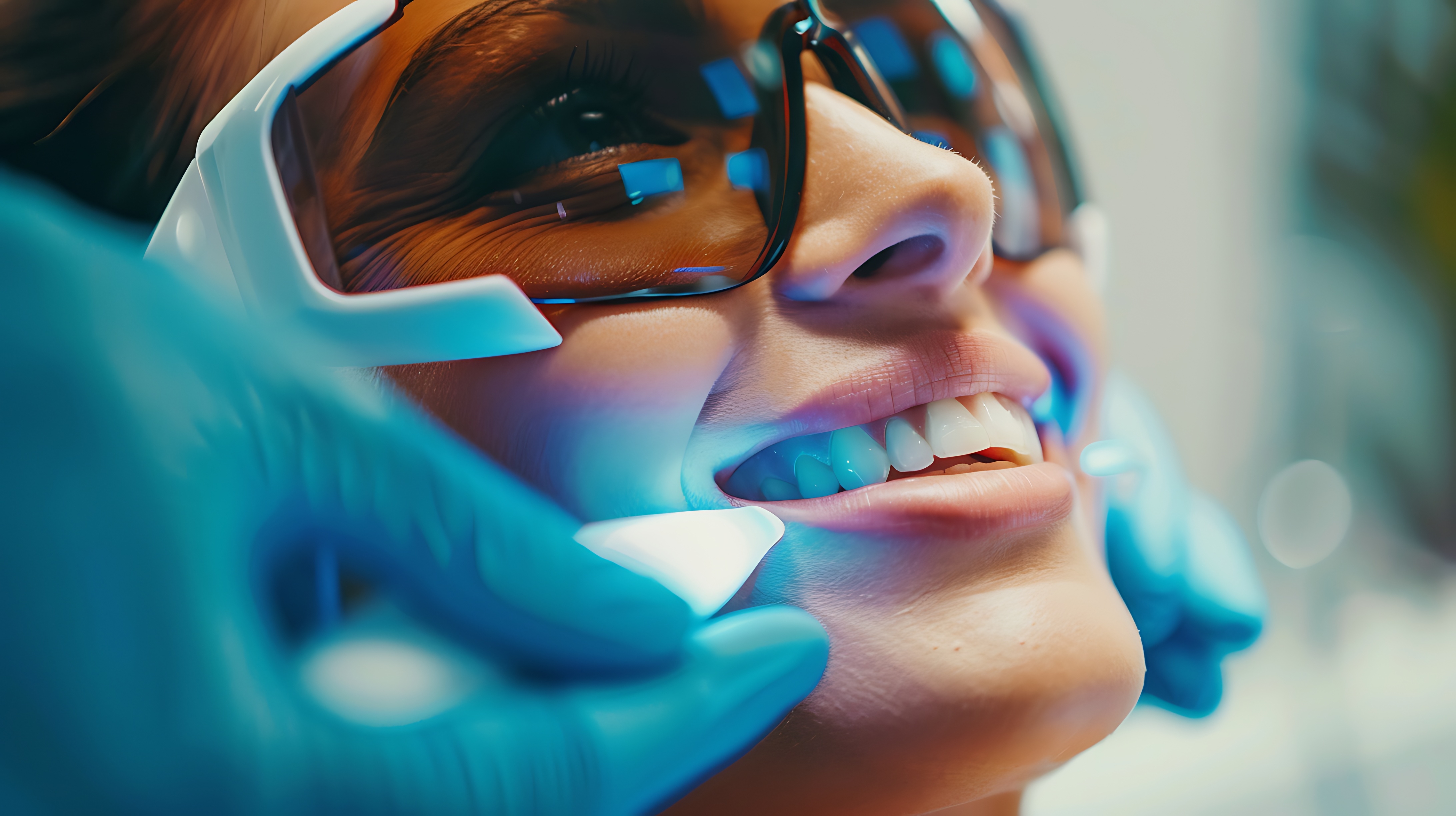
The hero of teeth whitening: It’s not blue light?
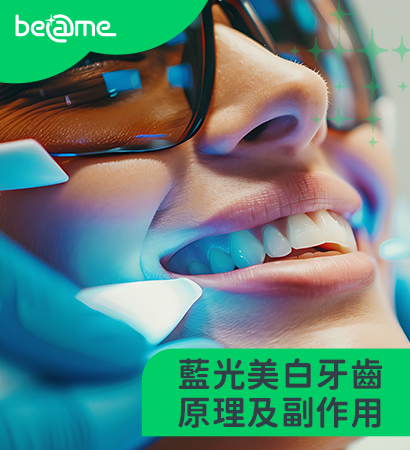
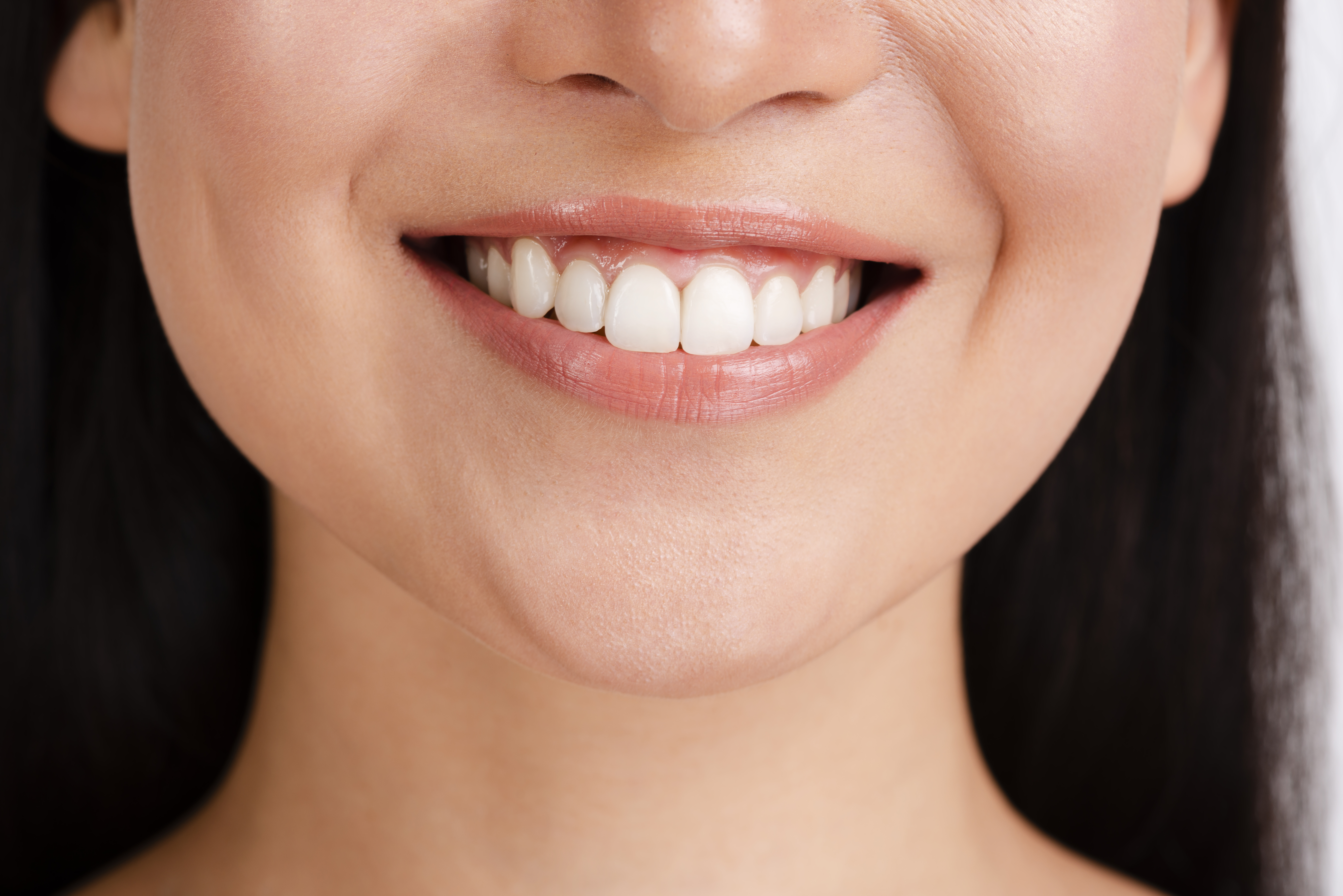
The dentist will apply a bleaching gel containing hydrogen peroxide to the tooth surface, and then irradiate it with blue light in stages. The whole process takes about 1 hour. When the photosensitizer in the gel is exposed to blue light, it accelerates the decomposition of hydrogen peroxide and produces oxygen free radicals.
Oxygen free radicals effectively penetrate deep into the tooth structure and remove accumulated pigment, thus whitening the teeth. In other words, the biggest contributor to blue light teeth whitening is not the blue light itself, but hydrogen peroxide.
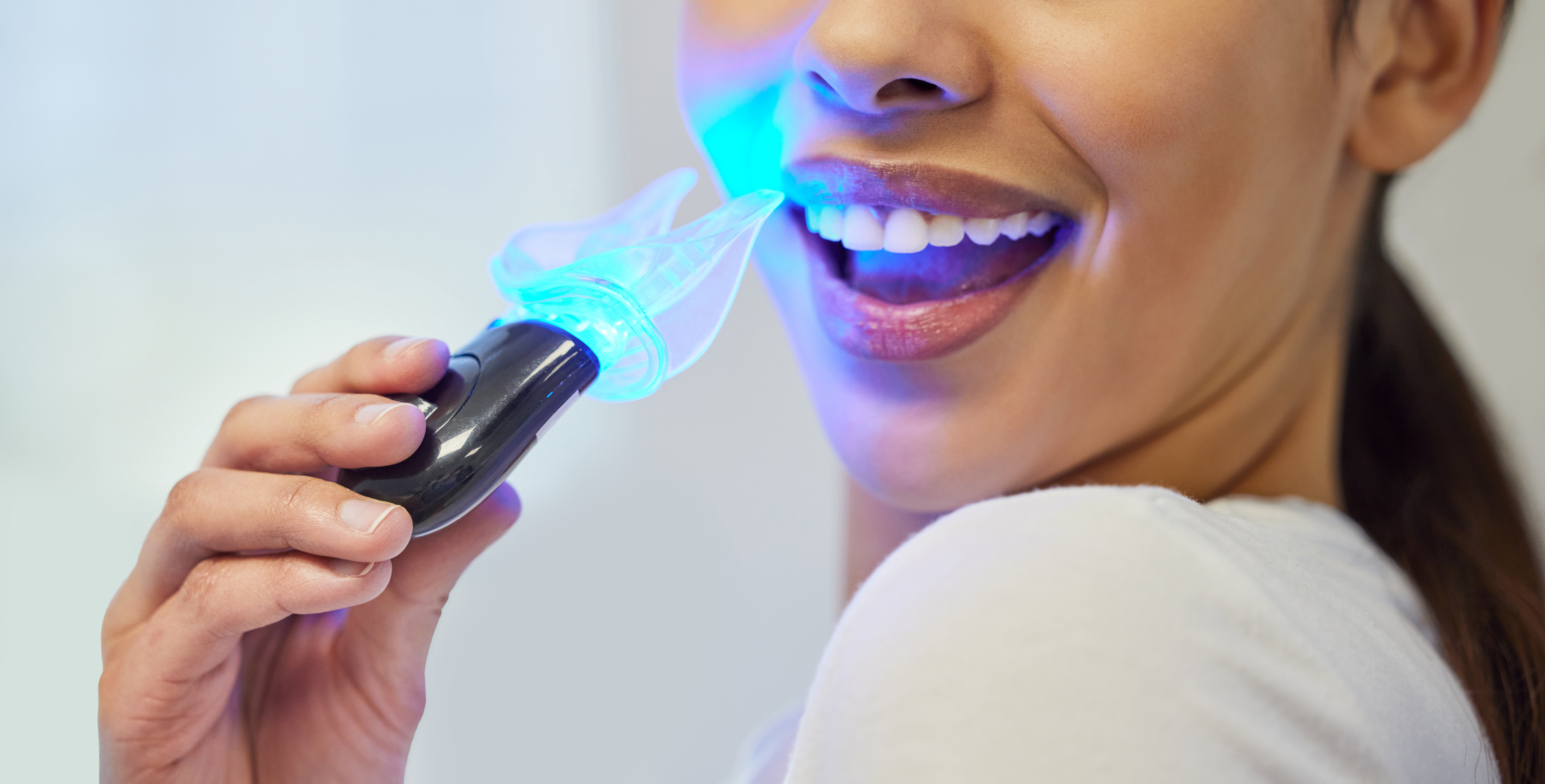
Can I bleach my teeth at home using a blue light whitening lamp?
Blue light teeth bleaching effect is remarkable because the bleaching coagulant used by dentists contains high concentrations of hydrogen peroxide and cannot be purchased commercially. When used with household products, blue light whitening lamps have very limited effects; careless operation may cause adverse consequences to teeth, gums or lips.
Learn about dentist recommendations
Who needs blue light whitening?
Working people
In order to keep working hard, many office workers often consume coffee and strong tea, which can cause their teeth to turn yellow. Do you still have to worry about it when you get home from work? Even if you squeeze out all the whitening toothpaste, the problem still doesn’t improve? If you want to show off your teeth with bright white teeth in the workplace, blue light teeth whitening must be the most time-saving and quick choice!
People born with yellow teeth
It turns out that tooth color is inherited just like skin color! Teeth vary in shades of color due to genetic influences, and certain genetic groups can also make enamel look yellower. Blue light bleaching can whiten the inherited tooth color and reverse your fate of yellow teeth!

Those whose teeth have been stained by drugs
Tetracycline is the little-known culprit of yellow teeth! It is commonly found in medications used to treat pneumonia, acne, fungus, and more. People who have taken this type of antibiotic during their teenage years are more likely to have teeth that turn yellow or even gray. Only blue light tooth bleaching can penetrate deep into the teeth and truly improve the problem of drug staining.
Side effects of blue light teeth whitening
Attention sensitive teeth!
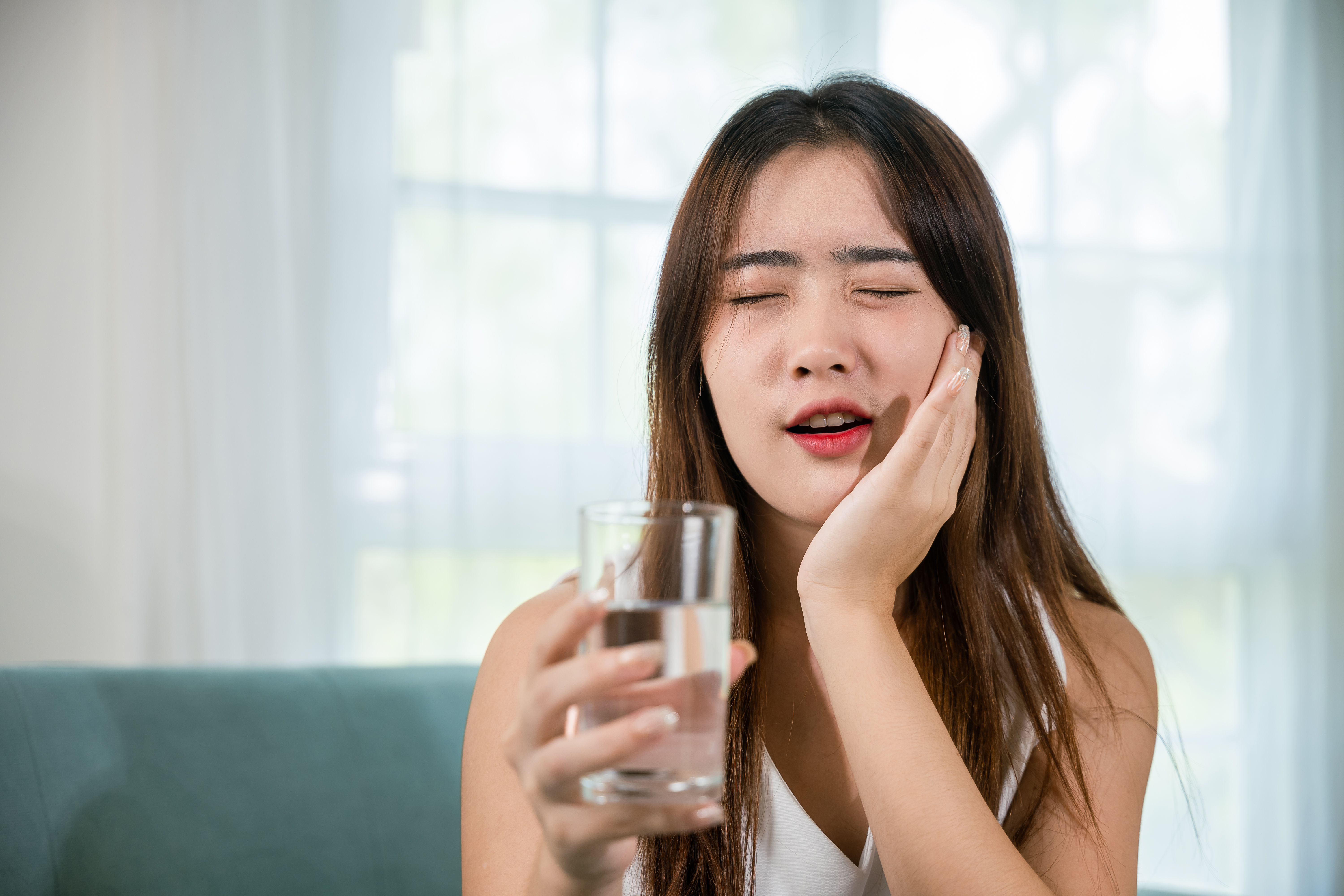
After being exposed to blue light, the nerves inside the teeth may experience different sensitivity symptoms, such as slight soreness, like the feeling of drinking cold water quickly. However, this is only a temporary discomfort and will subside within a short period of time.
Non-permanent tooth decalcification
During the whitening process, the teeth have the opportunity to decalcify and soften the enamel. However, this is not a permanent damage. As long as you eat carefully in the early days after tooth bleaching, it will not have much impact.
Irritating gums
Beame does not recommend blue light whitening treatments for people with periodontal disease. If oral hygiene is poor, the edges of the gums can become infected and inflamed by bacteria. If chemical stimulation is added at this time, the gums may become red and swollen or cause more serious problems.
FAQ
Does blue light whitening hurt teeth?
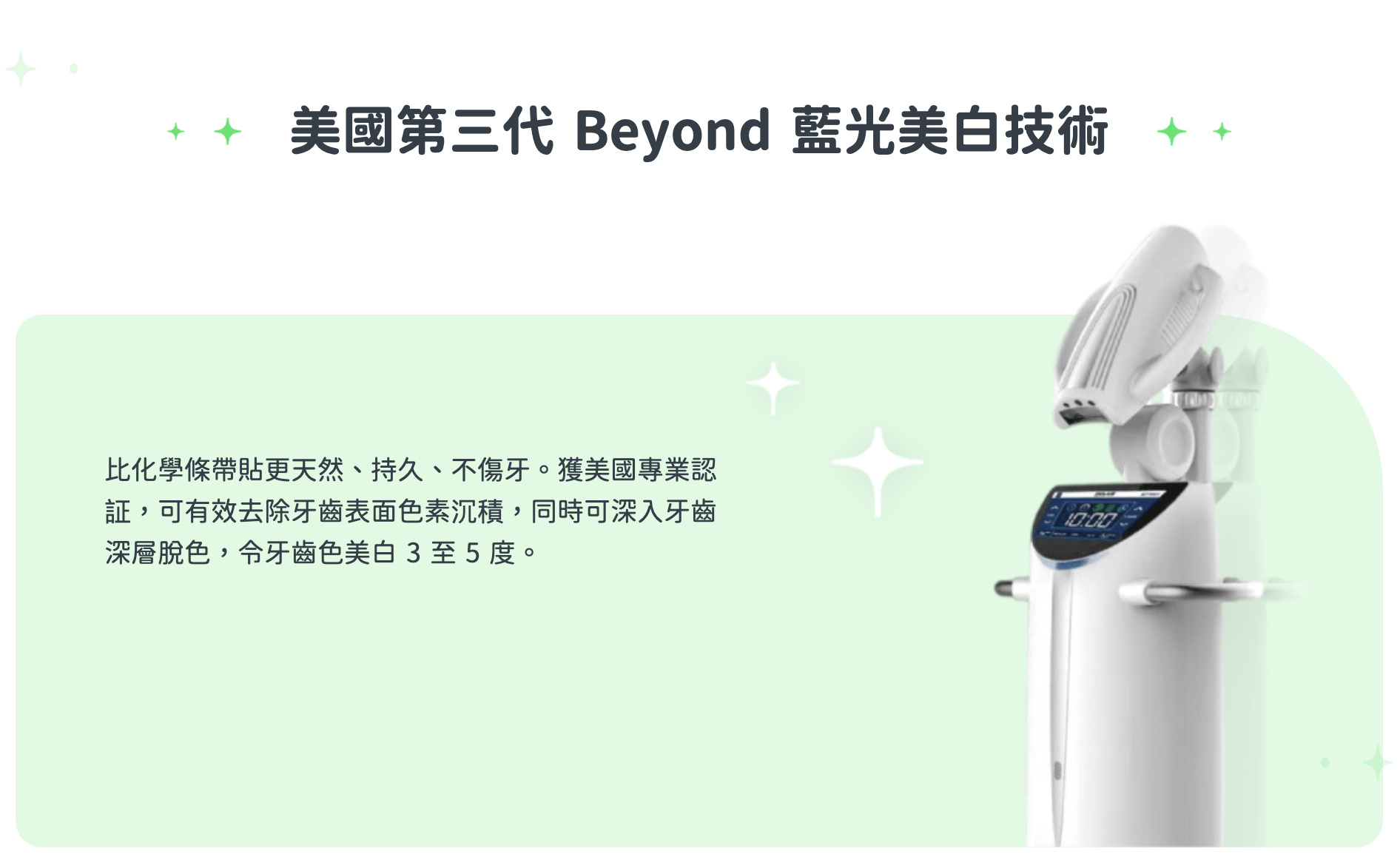
In fact, blue light teeth whitening does not hurt the teeth, and it is a non-invasive treatment. Beame uses the third generation Beyond blue light catalyzed unique natural whitening agent certified by American professionals, and it will show immediate results within 1 hour!
How long can blue light teeth whitening last? How often should this be done?
The best effect of blue light whitening can last up to half a year or more. Depending on different dietary habits, Beame recommends whitening 4-6 times a year.
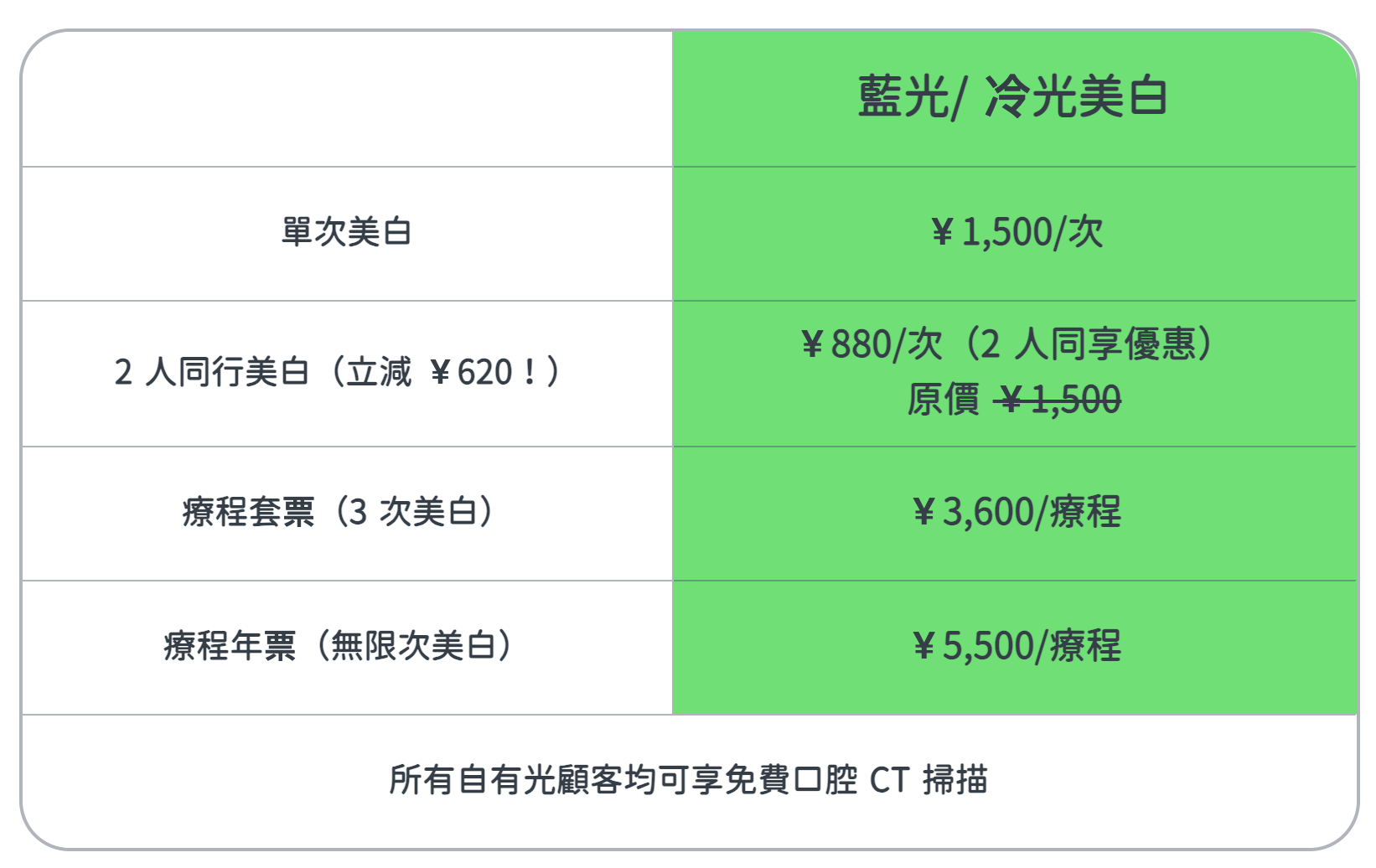
Beame blue light teeth whitening treatment annual ticket is only ¥5,500, and you can whiten your teeth unlimited times throughout the year! For an average of only ¥486 a month, you can get whiter teeth!
Extended reading

About the author
Beame Editorial Team
Practical information on clear aligners, oral care and consultation arrangements. This article is for general information; individual treatment requires assessment by a qualified dental professional.