Key takeaways
TL;DR- No matter how sharp the sword is, it will rust for a day, and so will the teeth.
- When eating, each tooth performs its unique function and is indispensable.
- The incisors are responsible for cutting off food.
No matter how sharp the sword is, it will rust for a day, and so will the teeth. Missing teeth have always been an oral health problem for the elderly. Don’t want to eat mushy and soft meals all day long? Beame teaches you more information about dentures!
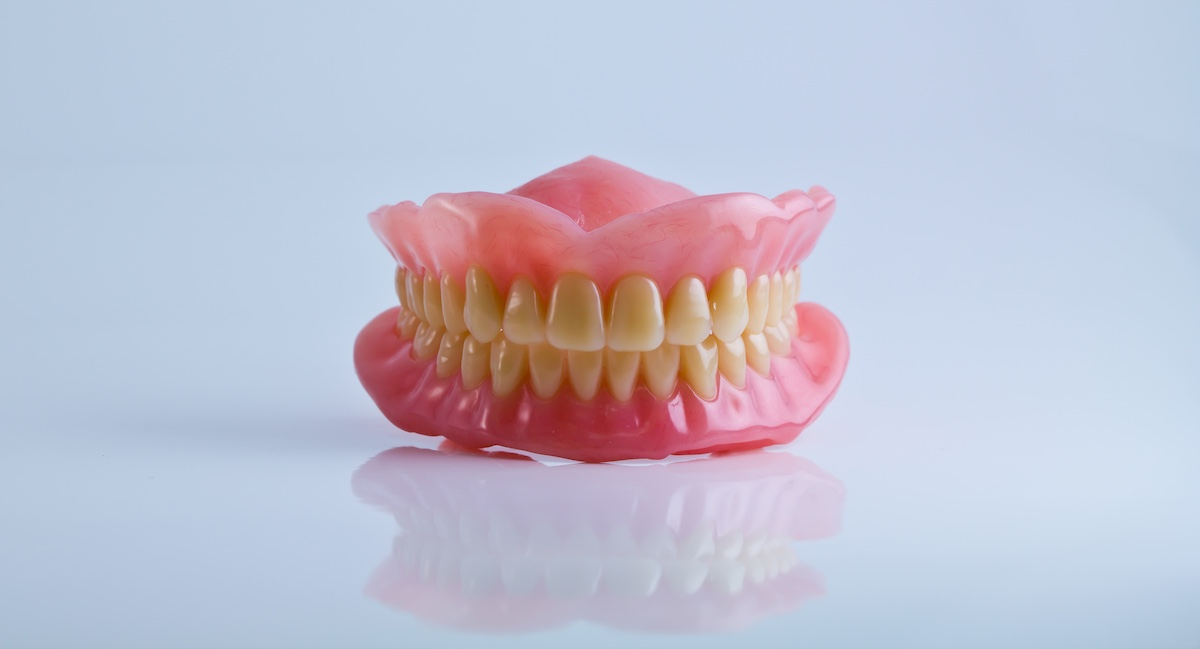
The importance of dentures
Food is the most important thing: teeth are indispensable
When eating, each tooth performs its unique function and is indispensable.
The incisors are responsible for cutting off food. They are also responsible for the appearance of the smile, and are especially important for the appearance. The canine teeth, also known as tiger teeth, are responsible for tearing food and supporting the lips. Finally, the large and small molars are responsible for grinding and crushing food respectively to help digestion and absorption in the intestines and stomach.

Avoiding the important and choosing the light? Chewing on one side is a big problem
Each type of tooth is evenly distributed on the left and right sides. People with missing teeth may avoid the most important and chew food on one side for a long time. However, this may cause excessive strain on one side of the teeth, or even over-development of the jaw muscles on one side, resulting in a "big or small face" problem and affecting the appearance.
Missing teeth may become a breeding ground for dental plaque
Food residues tend to accumulate in missing tooth locations. If it is not cleaned properly, dental plaque will easily breed in the missing areas. Of course, the health of the gums will suffer first, turning the gum into a breeding ground for bacteria, causing periodontal disease. This will then affect the health of the surrounding teeth and make them prone to tooth decay.

How much do you know about dentures: movable VS fixed
| Type | Mobile dentures | Fixed dentures |
|---|---|---|
| Dental tray | Dental bridge, dental implant | Dental bridge, dental implant |
| Common materials | Resin, metal, acrylic glue | Resin, metal, ceramic |
| Duration | Usually 3 - 5 years, when there are obvious changes in the oral muscles, a new dental tray needs to be ordered | Starting from 10 years, the stability is quite high |
| Features | Non-invasive, no surgery required, can be removed for cleaning at any time | Requires teeth grinding or ground-breaking surgery; high degree of realism |
| Foreign body sensation | Higher | Lower |
| Price | Relatively low | Relatively high |
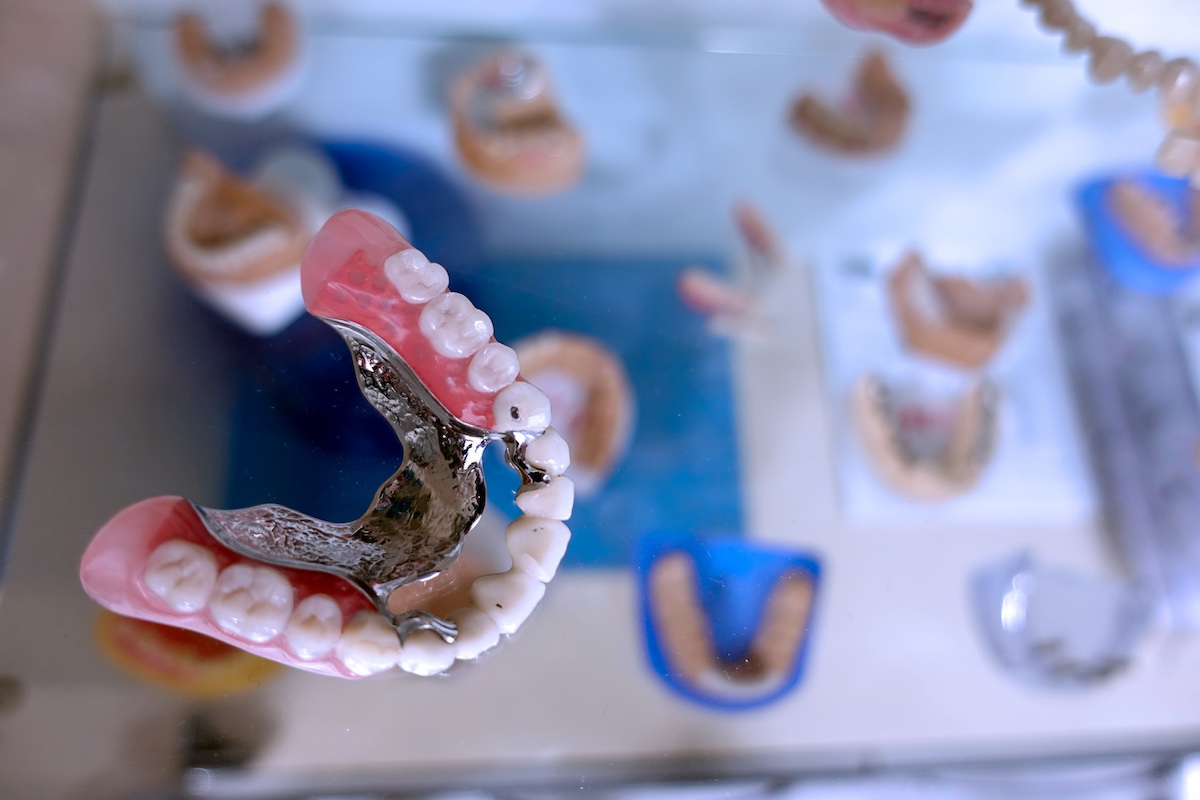
Removable dentures: dental trays
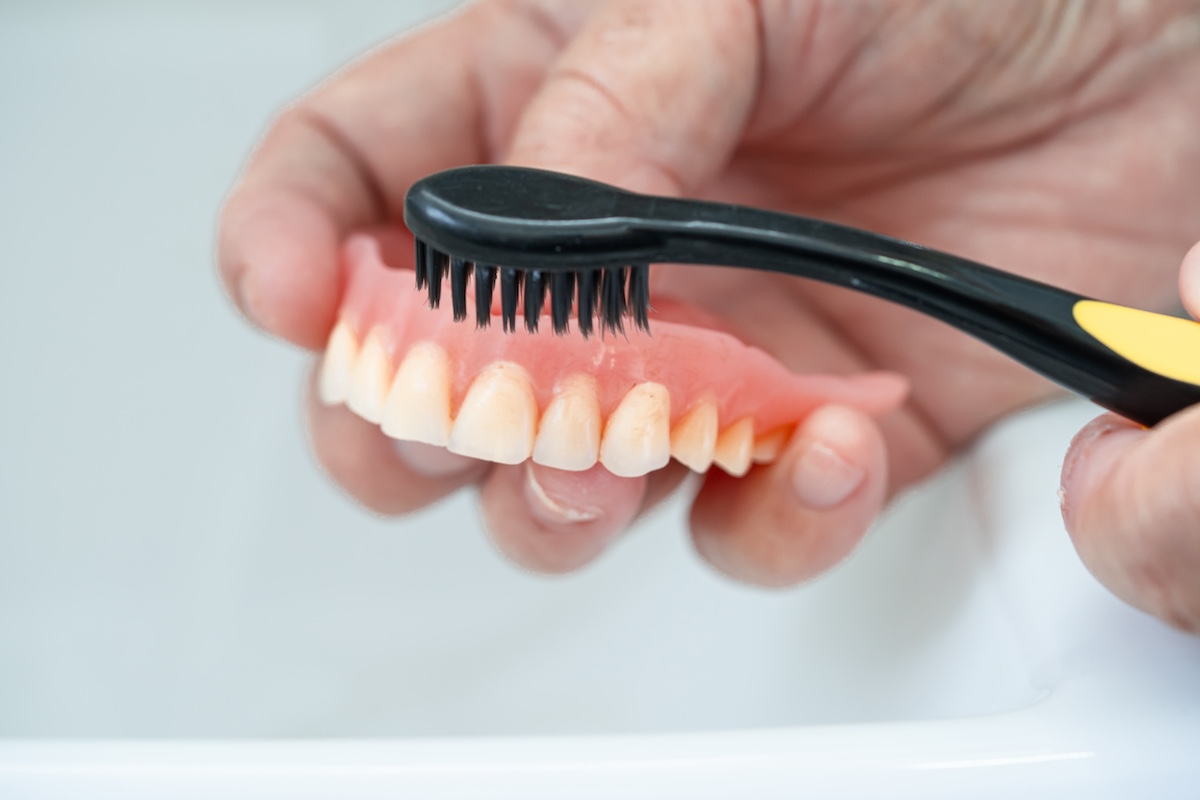
Removable dental trays are suitable for people with complete or partial missing teeth. Users can put it on and take it off at will, it is easy to clean, and the price is relatively cheap, so it is very popular among the elderly.
Traditional removable dental trays use vacuum-like pressure to fix the soft bed of the dental tray in the mouth. Most dental trays also use metal brackets that hook onto the teeth on both sides for fixation.
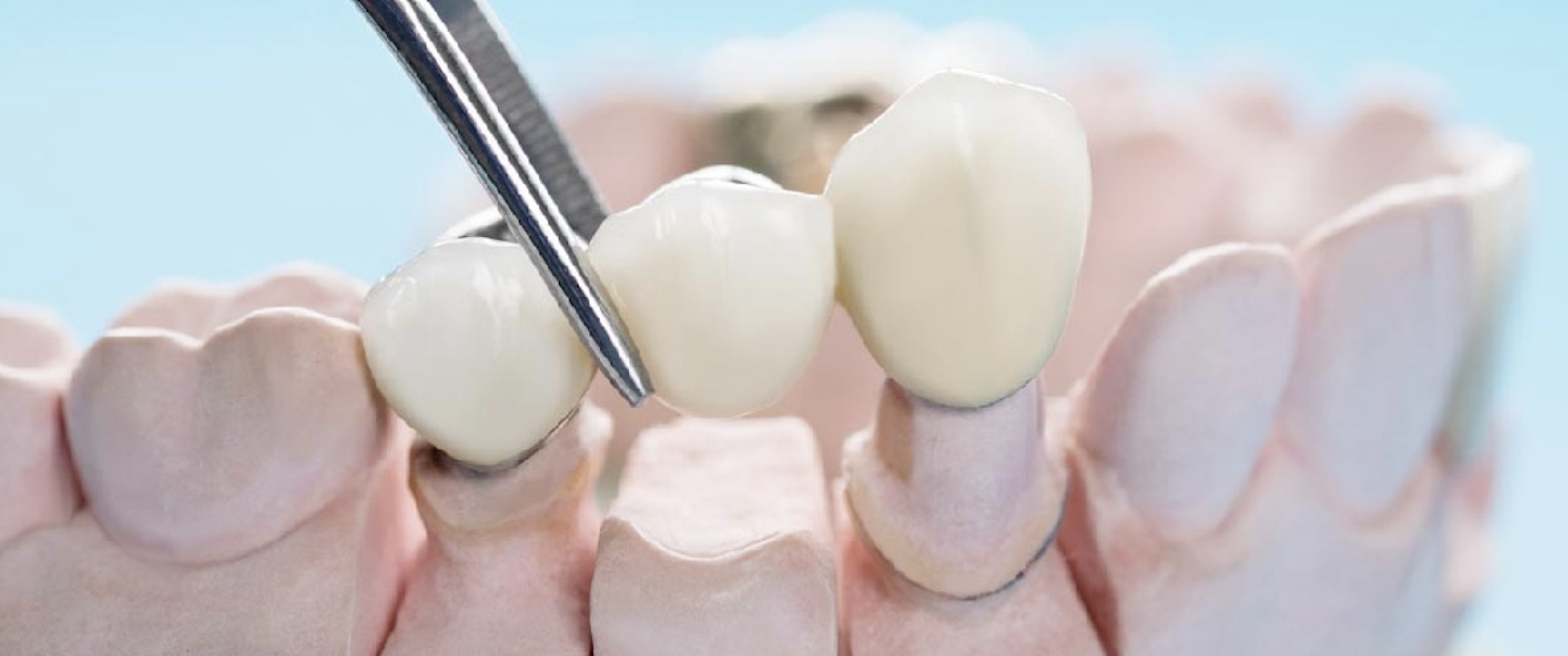
Fixed dental bridges
The principle of dental bridge is to use the two real teeth on the left and right as "bridge anchors" for load-bearing and supporting the middle dentures, so at least 3 teeth are made at one time. Before installation, you need to grind your teeth, and then put the dental bridge on both sides of the real teeth with special adhesive like a hat.
There is no real gap between dental bridges, but creating a dental bridge does not require ground-breaking surgery, and the installation time is shorter than traditional dental implant surgery. It is a relatively economical and affordable choice among fixed dentures.
Fixed dentals: dental implants
Traditional dental implants need to go deep into the gums and alveolar bones, drill holes at the optimal angle and implant the metal body, and then suture the wound. A second surgery is performed 3-6 months later to remove part of the gum and expose part of the metal implant. After waiting for healing, the dentures are finally installed and the surgery is complete.
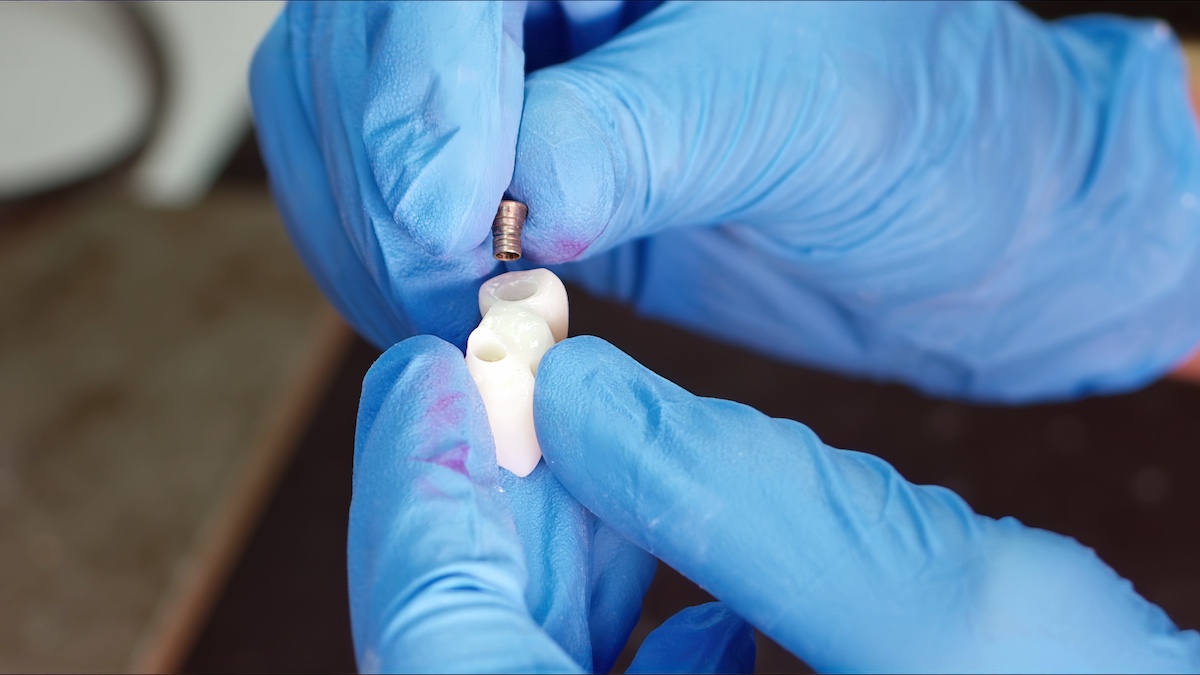
No fear of surgery: Beame minimally invasive dental implants
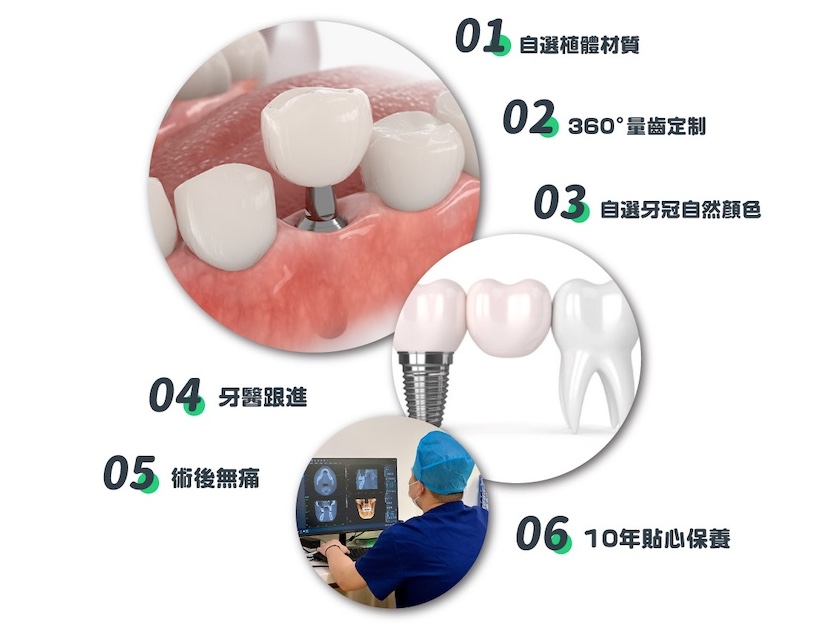
Beame minimally invasive dental implants are safer and faster than traditional dental implants, and the treatment course is designed by a professional dental team. The implant is made of pure titanium or titanium alloy, which is highly compatible with human bone and can heal painlessly in a short time. And you can choose different brands according to your budget and requirements, and you can even pay in 12-month credit card installments!
4 important things to know after wearing dentures
1. Regardless of whether you choose removable or fixed dentures, you still need to take good care of your dental prosthesis.
2. The strength of dentures is always lower than that of real teeth. Users should avoid chewing hard food or deliberately test the strength of dentures.
3. After any dentures surgery, you should follow the doctor's instructions, follow up on time and take medicine.
4. Finally, of course, good oral hygiene habits must be maintained. For removable dental trays, you need to clean them regularly with dentures cleaner; for fixed dentures, you need regular professional teeth cleaning; or you can use dental floss and inserters to thoroughly clean every corner of the teeth.
FAQ
1. Are there any other preparations before planting? For example, professional teeth cleaning.
Everyone’s dental condition is different. A CT scan and consultation will be conducted before starting the implant. You can decide to implant after hearing the quotation and details.
2. If I do not accept the quote after the CT scan, will I be charged?
No! You will not be charged anything until the actual service begins.
Extended reading
Dental Implant Price Revealed and Detailed Guide to the Treatment Process
How to choose implants? Dental Implant Types and Price Guide 2023

About the author
Beame Editorial Team
Practical information on clear aligners, oral care and consultation arrangements. This article is for general information; individual treatment requires assessment by a qualified dental professional.