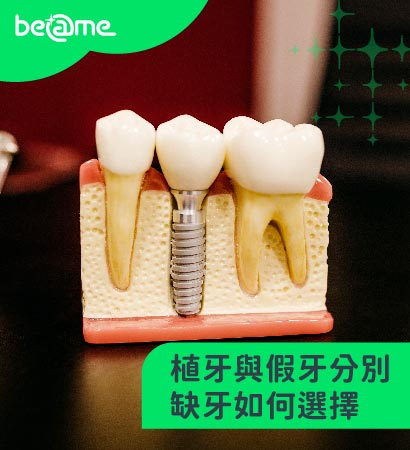
Key takeaways
TL;DR- Dental implants, dental bridges and dentures are all common tooth restoration methods in dentistry.
- It is not recommended to leave missing teeth untreated as they can have a negative impact on oral health and overall health.
- Dental implant is a method of correcting missing teeth.
Dental implants, dental bridges and dentures are all common tooth restoration methods in dentistry. Which method is chosen to repair missing teeth will greatly affect the feeling and strength of the bite in the future. Beame explains to you the impact of missing teeth and recommends minimally invasive dental implant treatments to repair missing teeth.
Can missing teeth be left alone?
It is not recommended to leave missing teeth untreated as they can have a negative impact on oral health and overall health. Missing teeth will cause the surrounding teeth to shift toward the position of the missing teeth, which will lead to tooth displacement and affect chewing function and appearance. In addition, missing teeth will affect chewing function, making food unable to be chewed completely and affecting digestion. Missing teeth also increases the risk of oral diseases, such as tooth cracks, periodontal disease, bad breath, etc. In addition, missing teeth may affect speech pronunciation and lead to speech impairment.
Book a free dental implant consultation
What are the differences between dental implants, dental bridges and dentures?
Dental Implant
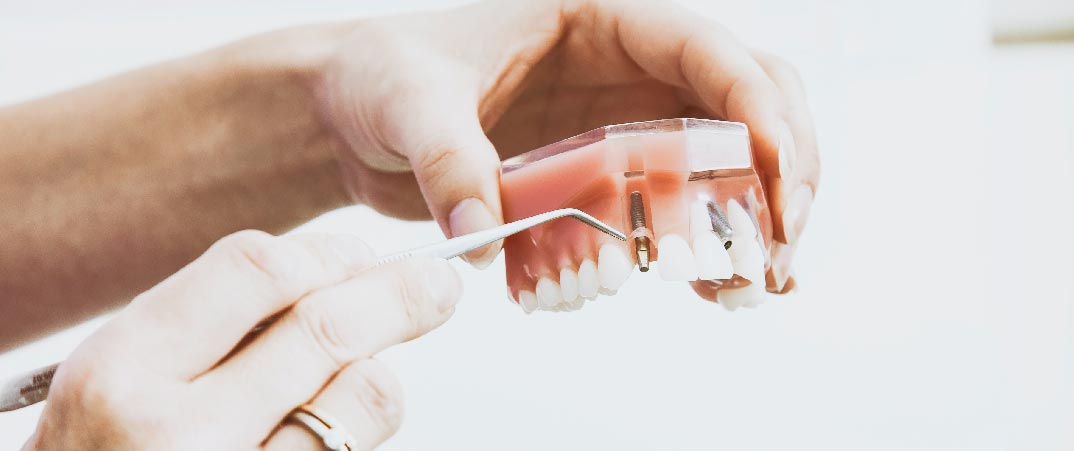
Dental implant is a method of correcting missing teeth. It directly implants artificial tooth roots at the location of missing teeth, and then installs artificial crowns on the roots to achieve the effect of simulating real teeth. Dental implant surgery needs to be performed in the oral cavity and requires certain surgical and anesthetic techniques. A period of recovery is required after the operation. Although surgery is required, minimally invasive techniques have made the entire process painless and reduced postoperative effects.
Dental Bridge
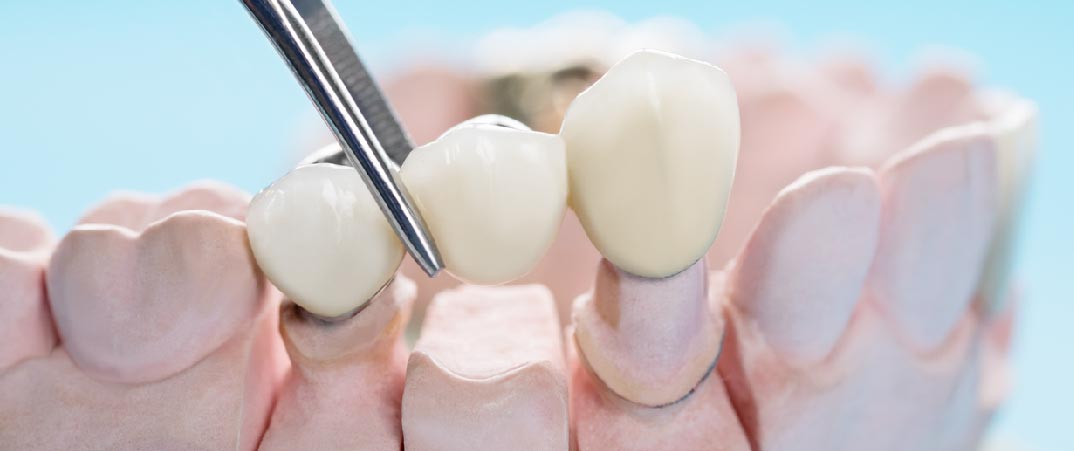
A dental bridge is a dental restoration method that works by placing one or more teeth over the missing teeth and fixing them to the surrounding healthy teeth. Dental bridges can effectively repair missing teeth and can solve some chewing and speech problems. Dental bridges need to be performed at a dentist's office and require a certain amount of time to be designed and made.
dentures
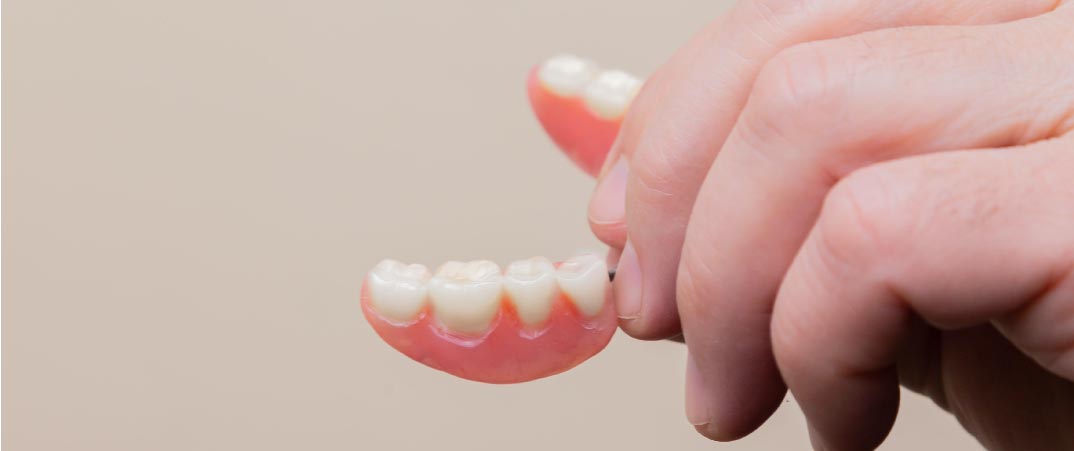
dentures refer to a type of artificial teeth placed in the mouth, usually used to repair multiple missing teeth or the entire mouth of teeth. Dentures can usually be made in a dentist's office or dental technician's studio, and can be fixed in the mouth by being fastened to the surrounding teeth or using oral adhesives. Dentures can be divided into full-mouth dentures and partial dentures. Full-mouth dentures can replace the entire missing teeth, while partial dentures can replace part of the missing teeth.
Why choose dental implants?
Dental implants can achieve the effect of simulating real teeth, not only similar in appearance to real teeth, but also equivalent to real teeth in terms of chewing, speaking and other functions. Secondly, the artificial tooth roots of dental implants are made of medical-grade materials, which have high strength and corrosion resistance and can maintain a long service life. Additionally, unlike dental bridges, dental implants do not require wear and tear on the surrounding healthy teeth, thus preserving the integrity of the surrounding teeth. In addition, dental implants can maintain the bone structure around the teeth and help maintain oral health. Finally, compared to dental implants, dental implants are easier to clean and less likely to breed bacteria, making them convenient and hygienic.
Based on the above advantages, dental implant is a safe, effective, durable and beautiful tooth restoration method. It is suitable for single missing teeth or multiple missing teeth and can improve the patient's quality of life. Therefore, if you have missing teeth, you may consider dental implants as a tooth restoration method. However, dental implants need to be performed under the guidance of a dental professional and specific follow-up care procedures need to be followed to ensure the success and long-term results of dental implants.
Beame minimally invasive dental implant
Want to complete dental implants as soon as possible and regain the original feeling of enjoying delicious food as soon as possible? Beame's minimally invasive dental implant treatment can place the implant and install the dental crown within one day at the fastest, reducing the impact of the treatment on life, especially suitable for the elderly. The Beame dental team provides professional services in its own 100,000-square-foot clinic, which can easily deal with various dental conditions.
Beame The biggest advantage of minimally invasive dental implants is that it can provide you with a once-and-for-all experience that feels like real teeth directly to your mouth. Make an appointment for consultation online now and get one free tooth for full-mouth treatment; and half a tooth for free for half-mouth treatment.
Book a free dental implant consultation
Extended reading:
Book a free dental implant consultation
Reference materials:

About the author
Beame Editorial Team
Practical information on clear aligners, oral care and consultation arrangements. This article is for general information; individual treatment requires assessment by a qualified dental professional.